Cleaning for Fulham flats with narrow access
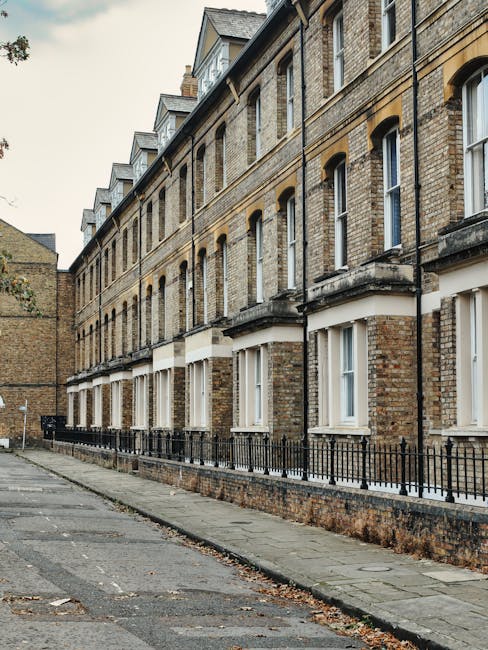
If you live in a Fulham flat with a narrow stairwell, a tight hallway, or one of those awkward top-floor entries that seems designed by someone who has never carried a vacuum upstairs, you already know the challenge. Cleaning for Fulham flats with narrow access is not just about elbow grease. It is about planning, equipment, timing, and a sensible approach to working safely in confined spaces.
That matters because in Fulham, a lot of homes sit in period conversions, mansion blocks, and compact apartment layouts where access can be the real obstacle. A good clean should leave the flat fresh, not scratched, crowded with kit, or disrupted by avoidable mistakes. In this guide, we will look at how it works, what to expect, and how to get genuinely good results without making the process harder than it needs to be.
Truth be told, narrow access changes almost everything. The best cleaning plan is often the one that feels calm, organised, and a little boring. That is usually a good sign.
Why Cleaning for Fulham flats with narrow access Matters
Narrow access is more than a minor inconvenience. It changes how cleaning is planned, how tools are moved, how long the job takes, and how safely a cleaner can work. In a Fulham flat, that might mean a slender staircase with a bend halfway up, a tiny entrance hall, or a lift that fits one person and a mop bucket if everyone is feeling optimistic.
Why does this matter so much? Because the wrong approach can create extra problems: scuffed walls, damaged banisters, missed corners, slow turnaround times, and even safety risks if equipment is bulky or unstable. And if you are preparing a flat for move-out, a landlord inspection, guest changeover, or a deep refresh, those issues quickly become expensive in time and frustration.
There is also the practical side. Fulham properties often combine older layouts with modern expectations. You want the flat to look spotless, but you also need the clean to happen smoothly in a real-world building with limited space. That is where experience counts. A cleaner who understands compact access will choose lighter kit, break tasks into stages, and work in a sequence that keeps the route clear rather than cluttered.
Key point: narrow access does not mean a lesser clean. It means the clean has to be smarter.
How Cleaning for Fulham flats with narrow access Works
The process usually starts before any cloth is picked up. First comes the assessment: where are the bottlenecks, what is the entry route, can equipment be carried in safely, and are there building rules about loading, parking, or lift use? In a lot of cases, a short pre-clean chat makes the whole thing easier.
From there, the cleaning plan is adapted to the property. For example, a deep clean in a narrow-access flat might use smaller machines, modular tools, and a top-to-bottom route that avoids dragging kit through already cleaned rooms. It sounds obvious. Still, it is surprising how often people start in the wrong room and end up boxing themselves in. Happens more than you'd think.
Professional cleaners working in compact Fulham flats usually think in terms of flow. That means:
- bringing only what is needed into the property
- keeping walkways clear
- using lightweight, portable equipment
- starting with the least contaminated areas
- saving floor care for the end
Where access is especially tight, a cleaner may also split the work into phases. For instance, one visit might focus on kitchen and bathroom detailing, while another handles carpets, upholstery, or window cleaning. That can be more efficient than forcing everything through one cramped route and slowing the job right down.
If your flat needs broader maintenance alongside the clean, it can help to think of the work in layers. A standard domestic clean may be enough for ongoing upkeep, while a deeper reset might make more sense if the place has not been cleaned properly in a while. For more routine maintenance, domestic cleaning or regular cleaning can be a practical fit.
Key Benefits and Practical Advantages
The biggest benefit is simple: a better result with less disruption. In a flat with narrow access, good planning reduces the friction that normally makes cleaning stressful. That matters for residents, landlords, guests, and anyone juggling busy schedules.
Here are the most useful advantages in real terms:
- Less damage risk: compact tools and careful movement lower the chance of knocking walls, snagging fabrics, or chipping paintwork.
- Faster access management: a cleaner who knows how to move efficiently through tight hallways wastes less time.
- Better finish in awkward areas: tight corners, skirting boards, and behind furniture often get more attention when the route is planned properly.
- Less stress for occupants: you are not constantly shifting boxes, shoes, or plant pots out of the way.
- Improved suitability for older buildings: narrow stairs, split-level layouts, and conversion flats usually need a gentler touch.
There is also a trust factor. When a cleaner arrives with the right tools for the space, you notice. Things feel under control. The building does not get treated like a warehouse. For many people, that calm professionalism is half the value.
Practical takeaway: the best narrow-access clean is not the one with the biggest machine. It is the one with the best judgement.
Who This Is For and When It Makes Sense
This type of cleaning is a strong match for anyone living or working in a property where access is a constraint rather than a feature. That sounds obvious, but the situations vary more than you might expect.
You may need it if you are:
- in a Fulham mansion flat with a tight communal stairwell
- in a converted period property with steep internal stairs
- in a top-floor flat where carrying equipment is awkward
- moving out and need the place cleaned thoroughly before handover
- preparing a rental for new guests or a landlord inspection
- dealing with a deep clean after a busy season, renovation, or long gap between cleans
It also makes sense when standard cleaning is not enough. If the flat needs oven cleaning, carpet care, or a proper reset in the kitchen and bathroom, the access issues can make a normal job feel like a small logistical puzzle. Not impossible, just fiddly. Fiddly is the word.
For example, if you rent out a compact Fulham flat on a short-let basis, fast turnover matters. In that situation, Airbnb cleaning can be useful because it is built around turnaround speed, presentation, and consistency. If you are leaving a property soon, end of tenancy cleaning or move-out cleaning may be more relevant.
Step-by-Step Guidance
If you are planning Cleaning for Fulham flats with narrow access, the easiest way to avoid hassle is to treat it like a small project rather than a last-minute chore. Here is a sensible process.
- Assess the route in and out. Check stairs, turns, lift size, door widths, parking access, and anywhere equipment might need to be carried or turned sideways.
- Clear the path before the clean. Shoes, folded buggies, recycling bags, and oversize hallway furniture can make everything harder than it needs to be.
- Match the job to the right service. A light maintenance visit is different from a deep clean, and a post-move clean is different again.
- Use compact, portable tools. Smaller vacuums, spray bottles, microfibre cloths, and lightweight buckets are usually easier to handle in narrow flats.
- Work from top to bottom. Start high, finish low. Dust, then surfaces, then floors. This keeps cleaned areas cleaner for longer.
- Focus on high-contact points. Door handles, switches, bannisters, taps, and kitchen touchpoints often need more attention than people think.
- Finish with floors and exits. Save the final pass for the end so you do not walk dirt back through the flat.
If the property includes carpets, a sofa, or curtains that need specialist treatment, it is often better to plan those separately. A cramped hallway can make a big extractor machine awkward, so the cleaning order matters. For fabric and upholstery care, services like carpet cleaning, steam carpet cleaning, and upholstery cleaning can be more efficient when coordinated properly.
One small but useful detail: tell the cleaner about the access before they arrive. It sounds basic, but a two-minute heads-up about a narrow staircase or a locked courtyard can save fifteen minutes of awkward shuffling. Maybe more.
Expert Tips for Better Results
In our experience, the best results come from a few habits that are not flashy at all. They just work.
Choose the right cleaning sequence
Do not start with the hardest-to-reach area if the route through the flat is still messy. Cleaners usually move from easier spaces to more detailed ones, then finish with floors and exits. That keeps the working area tidy and avoids extra backtracking.
Keep products simple and controlled
In a narrow flat, there is less room for confusion. A smaller selection of effective products is usually better than a suitcase full of half-used bottles. Wipe, rinse, dry. Clean, simple, effective. You get the idea.
Protect walls and corners
Use soft-edged tools where possible. Take care around bannisters, skirting, and painted corners. If the building has older plaster or narrow stair turns, moving slowly is not being cautious for the sake of it; it is being sensible.
Think about airflow
Small flats can hold smells and moisture longer than larger homes. Open windows if appropriate, use ventilation sensibly, and avoid over-wetting carpets or upholstery. Fresh should smell fresh, not damp.
Plan around the building and the neighbours
Fulham flats often sit in shared buildings, so timing matters. Early-morning noise, hallway congestion, and bins left in common areas can create avoidable friction. If a clean is linked to communal area cleaning, it is worth thinking about the whole building, not only the flat itself.
Little expert note: if something needs lifting, squeezing, or folding to get it in, ask whether it really needs to come in at all. That one question saves a lot of bother.
Common Mistakes to Avoid
Narrow access exposes mistakes quickly. There is nowhere for them to hide.
- Bringing too much equipment: bulky kit clogs the route and makes the clean feel chaotic.
- Ignoring the access route: if you do not plan the stairwell or entrance, you will spend time improvising.
- Starting in the wrong room: cleaning the most awkward room first can box you in and slow everything down.
- Over-wetting soft furnishings: in a small flat, damp takes longer to clear.
- Missing the final walkthrough: tiny things stand out in compact homes: smears on glass, dust at the baseboards, fingerprints on switches.
- Forgetting building etiquette: doors propped open, noisy equipment, or blocked hallways can upset neighbours and residents.
Another common issue is underestimating how long the clean will take. A flat with narrow access can need extra movement, extra care, and sometimes extra passes. If someone promises a big result in a tiny time window without even asking about the stairs, that is a warning sign. Not always, but often enough.
Tools, Resources and Recommendations
The best tools for this sort of work are usually the ones that move easily and store neatly. It is less about power and more about control.
| Tool or method | Why it helps in narrow-access flats | Best use |
|---|---|---|
| Microfibre cloths | Lightweight, effective, easy to carry in quantity | Dusting, polishing, bathroom and kitchen detailing |
| Compact vacuum | Fits tight stairways and small cupboards more easily | Routine cleans, flats with limited storage |
| Spray bottles | Controlled product use without heavy buckets | Glass, surfaces, quick touchpoint cleaning |
| Small bucket or caddy | Keeps essentials together and reduces trips back and forth | Multi-room cleaning in compact homes |
| Soft brushes | Good for corners, grout, trims, and awkward edges | Detail work in kitchens and bathrooms |
| Portable fabric care | Useful when sofas, rugs, or mattresses need attention | mattress cleaning, rug cleaning, sofa cleaning |
If the flat has a mix of hard floors and carpets, the order matters. Hard floors are often better left until the end. If you are dealing with marks or buildup, hard floor cleaning can help keep the finish even and reduce streaking.
For heavier jobs, a deep reset may need more than standard surface cleaning. That can include deep cleaning, oven cleaning, window cleaning, or even stain removal if marks have built up over time.
Law, Compliance, Standards, or Best Practice
For most home cleaning jobs, the main concerns are safety, sensible handling of products, and respect for the building. In the UK, cleaners and property owners generally need to think about safe use of equipment, correct product handling, and avoiding unnecessary risk to residents, workers, and shared spaces.
Best practice usually includes:
- using equipment appropriate for the space
- keeping access routes clear
- storing chemicals safely and away from children or pets
- following product instructions carefully
- taking care on stairs, thresholds, and wet floors
- respecting building rules for entry, noise, waste, and shared hallways
If a property has communal areas, a managing agent or residents' agreement may affect when and how cleaning work can be carried out. That is one reason why planning matters. It is also a good idea to check whether the cleaner is insured and whether their working practices are described clearly. If you want to review practical safety and service information, insurance and safety and health and safety policy pages are useful places to start.
For service expectations, pricing clarity also helps. People do not like hidden add-ons. Fair enough. A transparent estimate can reduce misunderstandings before the clean even begins, which is why a clear pricing and quotes page is worth checking when you compare options.
Options, Methods, or Comparison Table
Not every Fulham flat needs the same kind of clean. The right choice depends on time, access, condition, and what you want the result to achieve. Here is a straightforward comparison.
| Method | Best for | Pros | Trade-offs |
|---|---|---|---|
| Regular cleaning | Ongoing upkeep in occupied flats | Consistent, manageable, less disruptive | May not tackle built-up grime deeply |
| One-off cleaning | Resetting a flat after neglect or a busy period | Flexible, thorough enough for many homes | Can take longer in tight-access properties |
| Deep cleaning | Detailed work in kitchens, bathrooms, and hidden spots | Best for ingrained dirt and neglected areas | Needs more time and planning |
| Move-in cleaning | Preparing a new home before arrival | Fresh start, cleaner surfaces, better first impression | May need coordination with access timings |
| End of tenancy cleaning | Checkout cleans for tenants and landlords | Focused on handover standards | Can be more intensive than expected |
For some homes, move-in cleaning is the most sensible route because you want the flat ready before furniture arrives. For others, a one-off cleaning visit is enough to get everything back under control. There is no single right answer, only the right fit for the space.
Case Study or Real-World Example
Picture a two-bedroom Fulham conversion flat on an upper floor. The front staircase is narrow, the bannister is close to the wall, and the hallway only allows one person to pass comfortably with a vacuum and caddy. Nothing dramatic. Just awkward enough to slow people down.
The clean is booked for a tenant handover. The main aim is to make the kitchen, bathroom, and living areas presentable and inspection-ready. The cleaner arrives with compact kit, checks the access path, and keeps supplies to the minimum needed for the job. Large items stay outside until they are required, which helps avoid clutter in the hallway.
The first pass focuses on dust and cobwebs, then the kitchen is tackled section by section. The oven takes longer than expected, because of course it does. The bathroom needs a careful clean around edges where steam has left residue. Floors are left until the end so the route stays clear. The result is not flashy, but it is neat, consistent, and far less stressful than a cluttered all-at-once approach.
What made the difference? A realistic plan. No heroic nonsense, no oversized equipment jammed into the stairwell, and no rushing around like the place was on fire. Just steady work and the right order of operations.
If the flat had also needed carpet treatment or fabric care, a better approach would have been to schedule those tasks with the space in mind rather than squeezing them into the busiest part of the visit. That is where services such as curtain cleaning, carpet cleaning, and pet stain odour removal can be added thoughtfully instead of chaotically.
Practical Checklist
Use this checklist before a clean in a Fulham flat with narrow access:
- Confirm the exact access route, including stairs, lifts, and door codes
- Measure or visually check any especially tight turns or entrances
- Remove trip hazards from hallways and landings
- Decide whether it is a regular, one-off, deep, move-in, or move-out clean
- Tell the cleaner about parking, loading, and building entry rules
- Flag any delicate surfaces, older paintwork, or fragile fittings
- Keep pets secured away from cleaning areas
- Make sure the flat is ventilated where appropriate
- Separate items that need special care, such as rugs, sofas, or curtains
- Plan the final walkthrough so small missed areas can be checked
Quick reminder: the flatter the plan, the smoother the clean. Nothing fancy. Just a bit of order.
Conclusion
Cleaning for Fulham flats with narrow access is all about making a tricky layout feel manageable. When the space is tight, the right approach is practical, careful, and well sequenced. That is what protects surfaces, saves time, and gives you a finish that feels properly looked after rather than rushed.
Whether you are booking a one-off refresh, preparing for a move, or keeping a lived-in flat under control, the same idea applies: plan the access, match the method to the property, and keep the work simple where possible. The result is usually better than people expect. Sometimes much better.
If you want a cleaner outcome with less back-and-forth, take a moment to review the service that suits your flat best and ask the right questions before the job starts. A little clarity now can spare you a lot of hassle later.
Get a free quote today and see how much you can save.
Frequently Asked Questions
What does Cleaning for Fulham flats with narrow access usually include?
It usually includes a tailored clean designed around tight hallways, stairs, small entrances, or limited lift access. The exact tasks depend on whether you need regular cleaning, a one-off visit, or a deeper reset of the flat.
Why is narrow access such a big issue for flat cleaning?
Because it affects how equipment is carried, where cleaners can stand, how quickly they can move, and how safely they can work. In a compact Fulham flat, access can shape the whole job.
Can a deep clean still work in a flat with a narrow staircase?
Yes, usually. It just needs better planning and more suitable equipment. Smaller tools, a clear sequence, and sensible timing make a big difference.
Is this different from regular domestic cleaning?
Yes. Regular domestic cleaning focuses on upkeep, while narrow-access cleaning adds a logistics layer. It is not necessarily harder in every room, but it does need more care around movement and equipment.
How do I prepare my Fulham flat before the cleaner arrives?
Clear hallways, move loose items, secure pets, and mention any awkward access points in advance. If there is a tight stairwell or tricky entrance, say so early. It helps a lot.
What if my flat has no lift and is on an upper floor?
That is common enough in Fulham. It just means equipment and timing should be planned around the stairs. A cleaner used to narrow-access flats will normally account for that without drama.
Will narrow access increase the time needed for the clean?
Often, yes. The more careful the movement and the tighter the route, the more time can be needed. That does not mean the clean is less efficient; it means the layout is being handled properly.
Are there special tools that help with compact flats?
Yes. Compact vacuums, microfibre cloths, soft brushes, and portable caddies are usually the most useful. They are easier to move through tight spaces and less likely to cause damage.
What cleaning method is best for a move-out in a narrow-access flat?
A move-out clean or end-of-tenancy clean is usually the best match. It focuses on leaving the flat in a presentable, handover-ready condition, which is important when access is limited and time is tight.
Can I combine narrow-access cleaning with carpet or upholstery care?
Yes, but it is best to plan it carefully. Carpet, rug, sofa, and upholstery work can be more demanding in a tight flat, so the order of tasks matters. Coordination avoids unnecessary clutter and disruption.
What should I ask before booking this type of cleaning?
Ask what equipment will be used, how the cleaner handles narrow stairways or lifts, whether the service is insured, and how the quote is structured. Clear answers upfront make the whole thing easier.
Is there a difference between a one-off clean and a deep clean?
There is. A one-off clean is usually a broader refresh, while a deep clean is more detailed and tackles built-up dirt in more hidden or neglected areas. In a narrow-access flat, the difference affects time, kit, and planning.
How do I know if my flat needs professional help rather than a DIY clean?
If the access is awkward, the flat is large, or the cleaning task includes things like ovens, carpets, or heavy buildup, professional help may save time and stress. Sometimes DIY is fine. Sometimes, frankly, it turns into a longer weekend than planned.
What is the most important thing to remember?
The clean should fit the flat, not force the flat to fit the clean. That simple shift in thinking usually leads to safer movement, better results, and a much calmer experience overall.
Helpful next step: if your Fulham flat has a tight entry, steep stairs, or limited space for equipment, choose a service that is built around those realities rather than working against them. It makes the whole process feel easier, and easier is good.