Health and Safety Policy for Cleaner Fulham
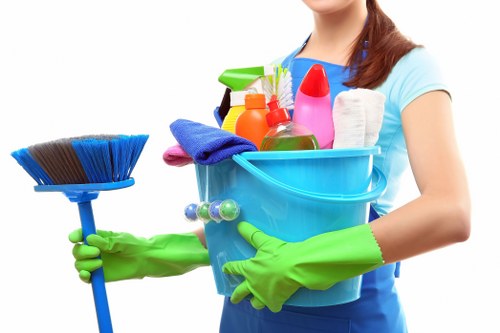 Cleaner Fulham is committed to maintaining a safe, healthy, and well-managed working environment for every cleaner, supervisor, and client premises we enter. Our approach to health and safety is built on prevention, awareness, and consistent good practice. We recognise that cleaning work can involve physical strain, exposure to chemicals, slips, trips, electrical risks, and contact with waste, so our policy focuses on reducing hazards before they cause harm.
This policy applies to all cleaning tasks carried out under the Cleaner Fulham name, whether in homes, offices, shared buildings, or other managed spaces. It sets clear expectations for safe behaviour, correct equipment use, and responsible decision-making. Every cleaner is expected to follow this policy, report concerns promptly, and work in a way that protects themselves and others. Safety is not treated as an optional extra; it is part of professional service delivery.
 We believe that a good cleaning health and safety policy depends on training, supervision, and regular review. Cleaning staff should understand the risks linked to each task and know how to respond appropriately. If the environment changes, the method of work must change too. The aim is simple: to complete every job efficiently while keeping risk as low as reasonably possible.
All cleaners must use equipment correctly and inspect it before use. This includes checking mops, vacuums, extension leads, cloths, ladders, and any portable items for signs of damage or unsafe wear. Faulty equipment must never be used. Where cleaning tools are shared, they should be stored neatly and handled responsibly so they remain safe for everyone.
Personal protective equipment, or PPE, must be worn where needed. This may include gloves, aprons, eye protection, or non-slip footwear depending on the task. PPE is selected to match the work being done and the surfaces being cleaned. A safe cleaner Fulham approach means using protection properly, keeping it clean, and replacing it when it no longer offers adequate defence.
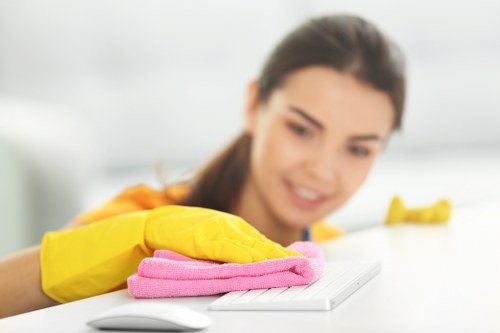 Chemical safety is an important part of our policy. Cleaning products must be stored securely, labelled clearly, and used according to instructions. Strong substances should never be mixed unless specifically approved, and containers should never be reused for unlabelled liquids. Staff must understand dilution ratios and avoid overuse, since unnecessary concentration can create avoidable risks to health and surfaces.
Manual handling must be carried out with care. Lifting buckets, moving bins, carrying equipment, and shifting furniture can all create strain if done incorrectly. Cleaners are encouraged to assess each task before starting, use proper posture, and request help when an item is too heavy or awkward. Where possible, tools should be chosen to reduce bending, stretching, and repetitive strain.
Slips, trips, and falls are among the most common hazards in cleaning work. Floors may be wet, cluttered, or uneven, and cords or supplies may be left in walking routes. To reduce danger, warning signs should be used when necessary, walkways should be kept clear, and rooms should be cleaned in a controlled sequence. A Fulham cleaner safety policy must always place safe movement at the centre of the task.
Fire safety is also covered by this policy. Cleaners should not block exits, overload sockets, or place flammable materials near heat sources. Equipment such as vacuum cleaners and charging devices must be switched off and unplugged when not in use, unless their operation requires otherwise. If a fire alarm sounds, cleaners must stop work immediately and follow the evacuation arrangements of the premises.
Health protection is another essential priority. Cleaning staff may be exposed to dust, mould, waste, or biological contaminants depending on the location and job type. Proper hygiene, safe waste handling, and appropriate PPE reduce the chance of illness or contamination. Hands should be washed after tasks, before eating, and after removing gloves. Any cuts or skin irritation should be reported so that further exposure can be avoided.
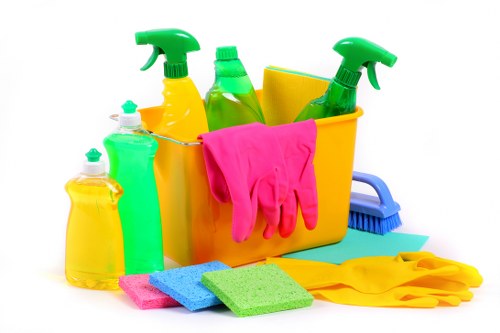 Incident reporting is required whenever an accident, near miss, or unsafe condition occurs. Even when no injury has happened, a report helps identify patterns and prevent recurrence. The same applies to damaged equipment, unsuitable products, or unsafe client conditions. Prompt reporting supports a stronger health and safety culture and shows that the organisation values learning as much as compliance.
Supervisors are responsible for monitoring working practices and ensuring this policy is understood. They should review tasks before they begin, give clear instructions, and confirm that cleaners have the correct tools for the assignment. New staff should receive practical induction before working independently. Regular refresher training helps maintain standards and keeps attention focused on changing risks.
Clients and building occupiers also have a role in creating a safe environment. Clear access, accurate information about hazards, and advance notice of unusual conditions all help cleaners work safely. If a room is restricted, a surface is fragile, or a product is already in use, this should be communicated before cleaning starts. Good cooperation improves both safety and service quality.
Risk assessments should be completed where needed and updated when tasks, locations, or procedures change. These assessments do not need to be complicated, but they must be realistic and useful. They should identify hazards, note who may be affected, and set practical controls. A cleaner Fulham health and safety policy is most effective when it is part of daily routine rather than a document left unread.
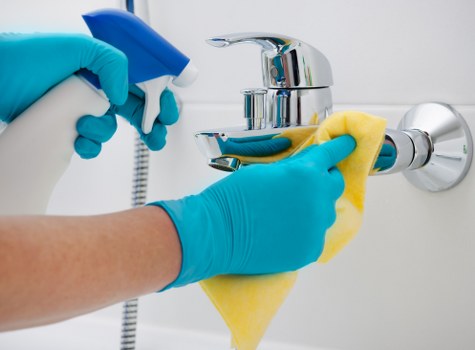 Finally, this policy is reviewed regularly to ensure it remains current, effective, and relevant to the work we do. Cleaner Fulham expects every member of staff to take responsibility for safety, to work carefully, and to speak up when something is not right. By combining awareness, training, and consistent standards, we protect people, property, and professional reputation.